
Store Your Food
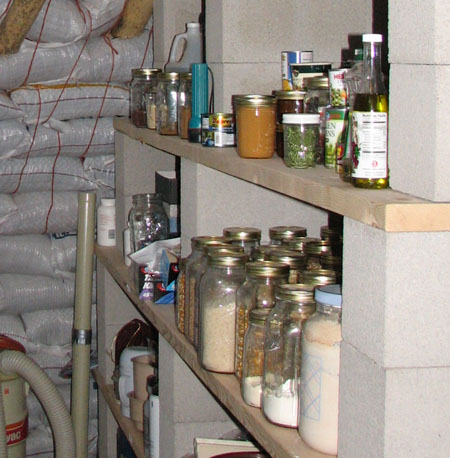
Let nature keep your food cool. In the old days people relied on pantries and root cellars to help keep produce and other provisions fresh. Ice boxes made way for refrigerators, which are obviously much more convenient, but somehow the use of cool pantries and root cellars also fell by the wayside. This is too bad because these spaces havefunctions that a refrigerator simply can't replace. Root cellars can store large quantities of produce from the time of harvest until the next summer. Cool pantries can store some produce, but also all manner of other foodstuffs and kitchen supplies can be kept there. Cool, dry storage is the best way to preserve most food. The cool of the earth can keep a totally bermed pantry or root cellar cool; the night air can also be used to cool a storage room. The convenience and security of having ample provisions at your fingertips can not be beat.
ARTICLES:
The Lost Art of Root Cellars and Pantries
Building an Earthbag & Stone Root Cellar
EXPERT
ADVICE
with Kelly Hart

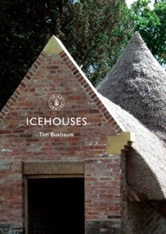
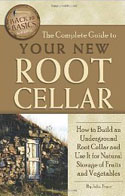
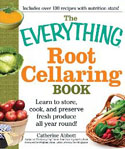
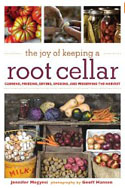
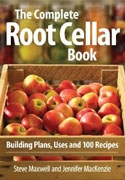
The books shown below are arranged according to when they were published, with the most recent ones at the top. If you click on one of the images you will be taken to a page at Amazon.com where you can find out more about the book. If you end up buying one of them, greenhomebuilding.com will receive a small commission that will help cover the cost of maintaining this website. Thanks for your patronage.
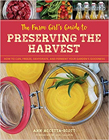

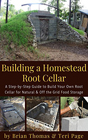
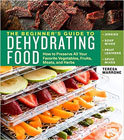
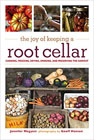

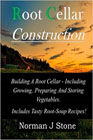
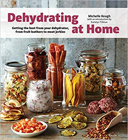


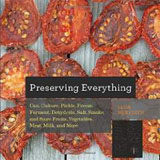

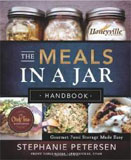



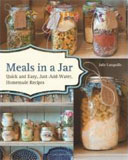


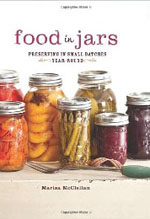

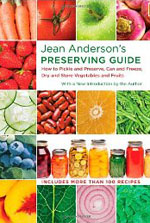
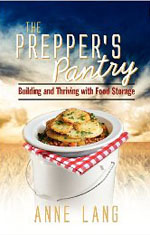
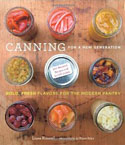


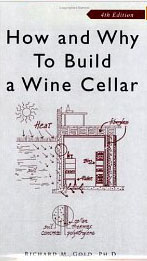
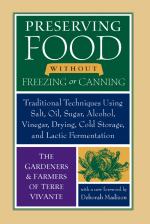




Plan
Free Earthbag Root Cellar
Owen Geiger, Designer
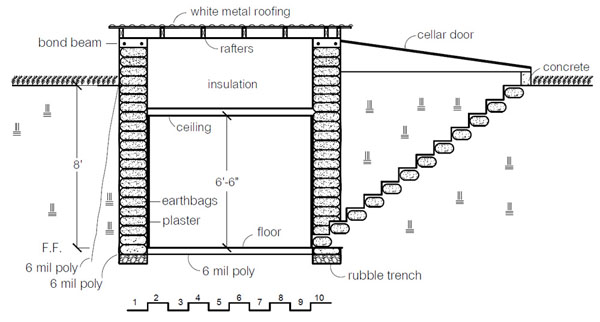
Earthbag rootcellar features:
- Standard 15” earthbag walls with lower courses filled with gravel (18”x30” bags or tubes)
- Optional insulated room with 12” walls for a freezer
- Superinsulated shed roof
- White metal roofing to reflect sunlight
- Earthbag steps covered with cement plaster
- Cellar door to keep rain and snow off the stairs (and prevent flooding)
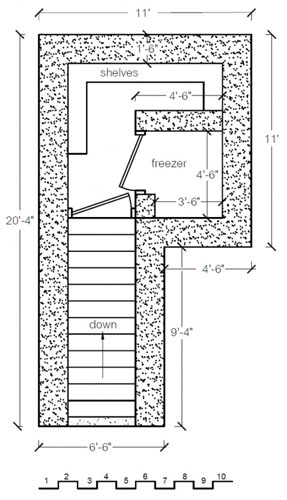
A larger version of this plan can be seen www.earthbagbuilding.com
Informative Links
tribwatch.com extensive article about root cellars
howtogardenadvice.com has detailed information about how to dehydrate vegetables.
chelseagreen.com Eliot Coleman's tips for creating a root cellar.
For Email contact go to About Us
Established in 2001, GreenHomeBuilding.com is primarily a labor of love. Kelly, and the GreenHomeBuilding team of experts, have answered thousands of questions for readers over the years, and we continue to publish up-to-date information about increasingly important sustainable architecture. If you feel moved to assist us in this work, your kind donation would be much appreciated; this can be easily done through our PayPal account:

VISIT OUR OTHER WEBSITES:
[Natural Building Blog] [Earthbag Building] [Dream Green Homes]
Disclaimer Of Liability And Warranty
I specifically disclaim any warranty, either expressed or implied, concerning the information on these pages. Neither I nor any of the advisor/consultants associated with this site will have liability for loss, damage, or injury, resulting from the use of any information found on this, or any other page at this site. Kelly Hart, Hartworks LLC.