Owner/
Builder


Financing Alternative Homes

Getting the money together to build a house can be an enormous challenge. The possibilities include saving up enough money over time, paying for it with earnings while doing the construction, or borrowing from friends, family or a bank, and then paying back the debt over time. All of these options have their pros and cons. Saving money is a good way, but it means postponing the pleasure of living in your dream home, and it can take a long time to save enough money. Paying as you build with income can be a lengthy project because not only are you limited by available resources, but you must work while trying to oversee the building. Hiring a contractor may be too pricey considering most have to factor in a surety bond cost for any major work. Borrowing money is likely the fastest way to be able to move in, but then you are committed to a lengthy (and costly) payback period.
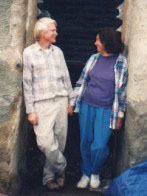
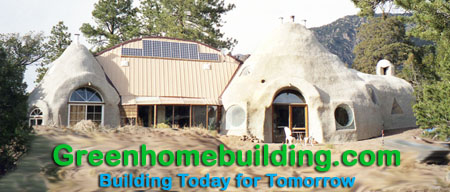
When we started to build our unusual earthbag/papercrete house in 1997, we planned to do so without incurring debt, hoping to pay for materials as we needed them. We were comfortable living in our bus conversion motorhome, so aside from the Property Owners Association deadlines, we were in no hurry to finish the building project. For the first year we managed to buy the materials we needed and our plan was intact.

Then in 1999 we learned about Y2K. There was considerable uncertainty about what the future would bring, and we realized that we might be much better off if we had the house completed. Not having much in savings, we faced the challenge of how to pay for everything necessary to make the incomplete structure a home, along with other supplies to give us some sense of security about the future. It took some real soul searching to come to the conclusion that our best course was to take on some debt to accomplish our goals.

So out came the credit cards; it's so easy to turn plastic into wood, glass, pipes, electrical fixtures, etc. And of course the other end of the deal are all those little envelopes that emerge from the P.O. box wanting their pounds of flesh. To be honest, we managed the credit card debt pretty well. I became quite adept at playing a shell game of accepting the continual offers of 2.9% to 4.9% interest for a short period of time, then switching the balance to another card when the time expired. I made a spreadsheet on the computer to keep track of it all. We never missed a payment and kept our good credit record.

Over time this method of handling debt became rather tedious, and as the amount increased, it became harder to keep the interest at a reasonable level. Once we finished the house our plan was to sell the bus motorhome and pay off all the credit cards. As it turned out, the bus was not all that liquid. This situation brought before us the question, "Is it time to consolidate the debt and seek a mortgage on the house?" Interest rates were dropping and the time seemed ripe to do this. OK, even knowing that the word "mortgage" comes from a French word meaning "death pledge," we decided to go for it.

We shopped online for the best possible deals and input our application at e-loan.com. We were even able to access our "credit score" for free at this site. The application was fairly straightforward, and we were hopeful that it would be smooth sailing. Our credit score was plenty high and our income was adequate for the amount we wanted to borrow, so it came down to the appraisal on our house. This seemed to take forever! They generally work with a national organization for their appraisals, and they tried two different local agents. Several weeks later there was still no appraisal. I finally did some research to find out who does local appraisals and got an excellent recommendation for one in particular. I emailed e-loan this information, and within two days that appraiser paid us a visit.

The appraiser had worked in the banking industry for many years before starting her own appraisal business. One of the first things she said when she looked at the house was, "They never loan on domes." She then proceeded to provide us and e-loan with an excellent appraisal of our house, complete with photos taken both inside and out. She loved the house, and knew the value of a custom home. She cited many comparable house sales in our area, but none of them were domes because there were no sales of domes.

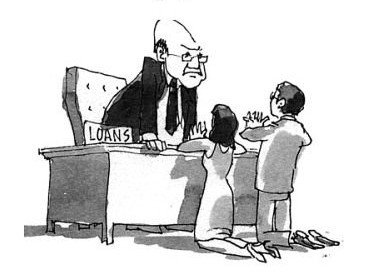
About two days before we were scheduled to go to the title company to sign the papers on this loan, I got a phone call from someone at e-loan saying, "We can't loan on this house. It's a dome." I said, "Yes it's a dome. So what?" She said, "We never loan on domes, or even hexagons." By then I was really furious, but I just pointedly said, "Why wasn't there a single question on the application form about the shape of the house? This could have saved both of us several months of processing this loan." She simple said, "In the four years that I have worked here, this has never happened before."

About this time we got an inquiry about the bus for sale. While discussing this with the caller, he indicated that he was a mortgage broker. I told him that we were trying to get a mortgage on our house, and I described it to him. He said he was fairly sure he could help us, and that he would see what he could do. The world works in strange ways. In a few days he called back and said he thought he had found an underwriter who would take our house, but he wanted to see the appraisal. Again we waited for the shoe to drop. This time the response was, "Yes, I will loan on this house, but I want to see some comparable sales of domes in the area." Try as we might, there wasn't a single such comparable sale. So that was the end of that.

Friends recommended our local credit union, where we have our business checking account. We knew they had made many loans on houses here, but there were two drawbacks: their interest rates were a bit higher than the others, and at this time they can only make a five-year commitment, so the loan would have to be renegotiated at that time. They were very encouraging when we brought in our application, and soon our loan was accepted. Thank God for some enlightened souls who can see beyond formulas based on conventionality! Also, now our interest payments will remain in this valley, which feels much better than off to Bank of America.

I guess the moral to this story is don't expect the big boy bankers to embrace unusual construction. I know that quite a few strawbale houses (that look otherwise fairly normal) have been financed conventionally, but the industry really needs to be educated about the value of natural, sustainable architecture. We once were told by an insurance agent that they don't insure passive solar homes that have no central heating! We could leave our house in the dead of winter with no heat other than the sun, and it would never freeze inside.

There are a few enlightened lenders out there, but you really have to search them out. I'm still convinced that the best way to finance the building of a house is without going into debt. The interest paid over a thirty year mortgage is often double the principal that was initially borrowed. So, if you want to build an alternative home, you may need to find some alternative ways to finance it. The best assets are determination and perseverance; with these you will eventually find yourself in your dream home.


 Buy Now
 

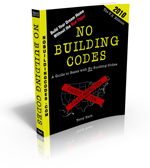
No Building Codes: A Guide to States with No Building Codes is an e-book by Terry Herb, 2010. Owner-builders across the United States are frustrated with the vast array of building codes adopted by so many states. Thankfully, there are still states left where you can build the kind of home you want without dealing with inspections and fees. You just have to do it in the right location--where building codes don't exist. Why pay thousands of dollars to architects for engineered plans because the building code officials tell you they need them; but you don't need them? There is a simple solution for the pioneers and out-of-the-box thinkers of today who want to swing a hammer without the hot breath of a code inspector on their necks. This downloadable e-book contains: An outline map of each of the 50 states with counties outlined as well; current code information for every state; for states with no building code, insightful commentary and information is provided to steer you in the right direction to determine if a state is right for you; researched and validated information; web links to help you learn more about the states that may interest you.


Click on image to buy from Amazon.com
 

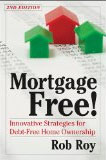
Mortgage-Free!: Radical Strategies for Home Ownership by Rob Roy, 1998. This is a banker's worst nightmare - a book that tells you how to live without being financially enslaved for the best years of your life. (The word mortgage comes from the old French meaning "death pledge!") While not a building book, Mortgage Free! is full of radical (but workable) strategies that enable you to own your own home. Raising the grubstake, finding and buying the land at the best possible price, the temporary shelter strategy, designing a low-cost home... these are just some of the important topics covered. In this book, Rob tells how he and his wife have managed to own five different homes, all mortgage-free, and there are six other case studies from all over North America which show how others have accomplished the same thing. This book will help you financially, no matter what kind of house you decide to build. About 100 photos and illustrations, including 24 by Malcolm Wells.


Click on image to buy from Amazon.com
 

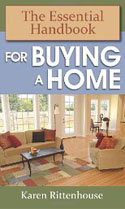
The Essential Handbook for Buying a Home by Karen Rittenhouse, 2011. Buying a home should be fun and easy. You'll start with a ton of questions-inside this book are the answers! What you'll learn: How to increase your chances of getting a mortgage How to determine property values The difference between a Foreclosure, a Short Sale, and an REO All about home inspections, title search, closing costs and more!


Click on image to buy from Amazon.com
 

Underwater Home: What Should You Do if You Owe More on Your Home than It's Worth? by Brent White, 2010. Underwater on your home? Don't know what to do? Let one of the the nation's leading experts guide you to the right decision. In Underwater Home, Professor White addresses all your concerns and helps you work through the emotions and practical realities of being underwater on your home. He explains your options and gives you the facts that will empower you to make the best decision for your family, free from guilt or fear, and with clarity, confidence, and peace of mind. Underwater Home is both an emotional and practical guide for the underwater homeowner. Professor White explains when it makes financial sense to stay in your underwater home and when it makes sense to get out. And he offers no-nonsense insight into how to negotiate with your lender.


Click on image to buy from Amazon.com
 

Save Your Home: without losing your mind or your money by Anna Cuevas, 2011. Save Your Home: Without Losing Your Mind or Your Money. - A powerful resource and toolbox to guide homeowners in the right direction. Armed with the information compiled in this book homeowners can now replace stress and agony with viable ways to fight back. Anna Cuevas is no stranger to the countless stories of misguided homeowners being advised that foreclosure is their sole option. Most struggling homeowners are not even aware of their rights and are inaccurately declined by banks. This book teaches homeowners to be one step ahead, defend their homes, and stop foreclosure with consumer strategy training, homeowners are guided on how to be their own best advocate.


Click on image to buy from Amazon.com
 

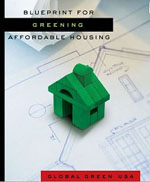
Blueprint for Greening Affordable Housing by Walker Wells, 2007. Blueprint for Green Affordable Housing is a guide for housing developers, advocates, public agency staff, and the financial community that offers specific guidance on incorporating green building strategies into the design, construction, and operation of affordable housing developments. A completely revised and expanded second edition of the groundbreaking 1999 publication, this new book focuses on topics of specific relevance to affordable housing including: how green building adds value to affordable housing; the integrated design process; best practices in green design for affordable housing; green operations and maintenance; innovative funding and finance; emerging programs, partnerships, and policies.


Click on image to buy from Amazon.com
 

Blueprint Affordable: How to Build a Beautiful House Without Breaking the Bank by Michelle Kodis, 2004. Dreaming of an architecturally distinctive house filled with graceful, beautiful materials that has been customized to fit your lifestyle-but think you can't afford it? Blueprint Affordable will dispel those fears and put builders on the path to a home that is personal, beautiful, and affordable. Discover the secrets of cost-conscious design and construction through the examples of ten cutting-edge residential designs, and see how building a unique home doesn't have to be prohibitively expensive. Author Michelle Kodis includes an amazing list of helpful information, guidelines, and tips to follow throughout the planning and building process such as: keep a simple floor plan; opt for off-the-shelf stock sizes, which cost less than their customized counterparts; choose locally available materials; study your building site's climate and weather patterns, and focus on an architectural plan that shields the home from the elements; omit a basement where possible-you'll save thousands on excavation costs; do your own research and purchase your own lighting fixtures, paint, carpet, and appliances instead of hiring an outside consultant to do so.


Click on image to buy from Amazon.com
 

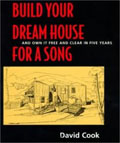
Build Your Dream House For A Song; and own it free and clear in five years by David Cook, 1998. This book offers you the chance to build the house you really want and do it less expensively than any other method.This a is a strategy that consists of five major parts. I. How to buy land cheap. 2. How to buy materials cheap. 3. How to design for easy construction. 4. How to live rent free and comfortably while you build. 5. How to get involved in the construction process.


Click on image to buy from Amazon.com
 

The Common-Sense Mortgage : How to Cut the Cost of Home Ownership by $50,000 or More by Peter V Miller, 1999. Millions of homes are financed each year and millions more are refinanced, a process that routinely leaves consumers dazed, weary, and paying more than they should. For more than a decade The Common-Sense Mortgage has been a consumer staple, used by borrowers nationwide to find better home loan terms and lower costs. Written in plain language, clearly organized, and filled with tables and examples, The Common-Sense Mortgage shows how the lending system works, reviews dozens of individual programs, and raises the questions consumers should ask.


Click on image to buy from Amazon.com
 

A Homeowner's Guide to Mortgage Acceleration by Tony G. Jone, 2006. Save thousands in interest costs. Reduce the term, build equity faster, and own your home "free and clear". Turn your mortgage into an investment tool.


Click on image to buy from Amazon.com
 

Mortgage Confidential: What You Need to Know That Your Lender Won't Tell You by David Reed, 2006. Mortgage Confidential is an insider's look at the mortgage process for anyone concerned with getting the best deal (and not being taken advantage of) while financing their home. The book goes beyond the basics, revealing the options lenders don't often divulge to their clients, what they really look for before they approve a loan, which costs they have control over, little-known sources of down payment money, and whether to trust loan officers recommended by Realtors. The book tells readers everything their lender won't, including how to: qualify for a larger loan; avoid credit repair scams; complete the loan application to maximize the chances of approval; pay zero closing costs; avoid origination charges; determine whether paying "points" can save them money; know when a loan officer is lying; identify a "rip-off" loan program.


Click on image to buy from Amazon.com
 

Affordable Housing: Designing an American Asset by Adrienne Schmitz, 2005. Now you can make the case for affordable housing and demonstrate that low-cost housing need not be of low quality. This lavishly illustrated book showcases 15 projects, designed by some of the nation's most gifted architects, that prove that affordable housing can be durable, environmentally sensitive, comfortable, attractive, and economical to maintain.


Click on image to buy from Amazon.com
 

Housing Ourselves: Creating Affordable, Sustainable Shelter by Richard Burnham, 1998. Rediscover the secrets of affordable housing that modern builders have all but forgotten in this book that advocatesÑand shows you how to achieveÑsustainable, environmentally sensitive, self-built housing that can be constructed at a fraction of today's housing costs! Architect and planner Richard Burnham offers professional builders and would-be homeowners alike practical guidance on utilizing local materials; building in harmony with the natural landscape; conserving precious resources; starting on a small, affordable scale and adding incrementally as finances permit; and much more.


Click on image to buy from Amazon.com
 

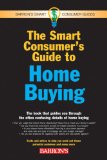
The Smart Consumer's Guide to Home Buying by Peter A. Schkeeper, Jack P. Friedman Ph.D., Jack C. Harris Ph.D., 2008. Buying a home is, in the authors' words, both a romantic journey and a business venture. For most families, it's the largest single investment they will ever make. The purpose of this book is to transform home buyers--especially first-time buyers--into smart consumers who can evaluate a property objectively as step number one in deciding whether or not to buy. The authors take their readers by the hand through the maze of mortgage shopping, dealing with real estate agents, and hunting down that perfect dream house. Some of the many questions they help prospective buyers answer are: Consideration of family needs: how many rooms, what kind of neighborhood, access to schools, shopping, and the like; Is the home affordable? Considerations include the size of the down payment, the size and type of mortgage, projecting monthly payments, and allowing for unforeseen expenses; Making an offer and negotiating with sellers and real estate agents; The close, settlement, and escrow; Remodeling: adding to a home and making improvements; Investment Property: understanding market values; Selling a home . . . and much, much more.

LINKS

mortgageloan.com a guide to green, energy efficient mortgages.

sustainablebusiness.com lists opportunities for sustainable business investments, news, jobs, etc.

buildmax.com offers 100% financing on land, materials, labor, and fees for homes where you are the owner/builder or self-contractor.

ecoinvestmentclub.com explore this if you are aware of projects that need funding, either real estate or other sustainable businesses.

nuwireinvestor.com this article describes "energy efficient mortages."

ecofinancing.co.uk  provides many articles and suggestions for ways to fund ecological home projects in the UK.

diyownerbuilder.com this program allows owner/builders to use any plans or materials, with 100% financing for land, materials, and labor.

online.wsj.com This 2010 artricle discusses the difficulty in getting financing for altgernative homes in the current mortgage market.

justfourwalls.org   discusses ways of addressing affordable housing aroound the world.

Home insurance quotes for your new green home.

Dancing Rabbit offers both training and jobs in the field of green building and sustainable living.

Find the best Mortgage loan company for a first time home buyer

If you are a veteran and are looking for a VA Home Loan, you might check out this link.

Disclaimer Of Liability And Warranty
I specifically disclaim any warranty, either expressed or implied, concerning the information on these pages. Neither I nor any of the advisor/consultants associated with this site will have liability for loss, damage, or injury, resulting from the use of any information found on this, or any other page at this site. Kelly Hart, Hartworks, Inc.


Home       Site Map        STORE

For Email contact go to About Us
Established in 2001, GreenHomeBuilding.com is primarily a labor of love. Kelly, and the GreenHomeBuilding team of experts, have answered thousands of questions for readers over the years, and we continue to publish up-to-date information about increasingly important sustainable architecture. If you feel moved to assist us in this work, your kind donation would be much appreciated; this can be easily done through our PayPal account:
Custom Search

VISIT OUR OTHER WEBSITES:

  [Solar Car]      [Earthbag Building]     [Dream Green Homes]