| |
 |
|
| |
Click on image to buy from Amazon.com |
|
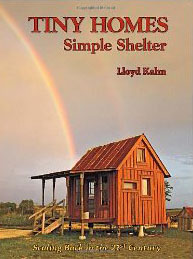
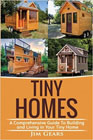
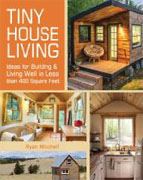
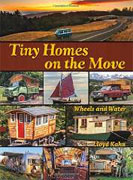
Lloyd Kahn has done it again! He has published another seminal work on the general topic of shelter. This one is devoted to the art of living in small spaces…in style. Tiny Homes, Simple shelter: Scaling Back in the 21st Century is another amazing book with over a thousand photos detailing more than you could ever imagine about the beauty and construction of tiny houses. By “tiny” Lloyd means no larger than 500 sq. ft., but many of them are much smaller than this.
Having built and lived in many odd small structures, I can certainly appreciate the craft and utility of this approach to shelter. What I didn’t realize was the extent to which this movement has captured the imagination of common folk. Clearly the economic climate is part of the reason for this, as is the ecological realization that scaling back is often the right thing to do. Small design goes hand in hand with using recycled materials, and the result is cheap, ecological homes. There are builders across the country who are now finding a market for little buildings that can easily be hauled to any site after they have been built.
Dwellers of these little homes are finding that life can be simpler when space is at a premium, partly because the temptation to buy more stuff is thwarted by the impracticality of storing it. Also, one has to become neater and more orderly about keeping things in their place; otherwise life becomes unbearable. And folks find that they actually spend more time outside, another pleasurable and healthful benefit.
Lloyd has organized this colorful book into several chapters, each of which deals with the topic in a different way. There are homes that are fixed on foundations, on wheels, designed by architects or not, prefabs and kits, those made of earthy materials, treehouses, motorhomes, and even boats. The aesthetics can suit any impulse, from the funkiest of hippie hovel to high end architectural achievement. Some of these abodes are true artistic masterpieces of woodworker’s craft, and some are strictly utilitarian in style and function. Nearly all of the homes shown are described in some detail, either by the builder or the dweller, so there is personal narrative that is woven throughout the book. This makes the work inspiring on many levels; often these little homes were built by folks who have never built anything before, and become empowered by the experience of making something they can actually live in.
Because these little homes can be hauled to a location or built on site with fewer materials, they are often located in spectacular places, with views and a relationship with the nature around them that is breathtaking. I applaud this movement toward living more simply and ecologically, and I applaud Lloyd Kahn for providing a totally pleasurable glimpse into this little world! --reviewed by Kelly Hart
| |
 |
|
| |
Click on image to buy from Amazon.com |
|
Tiny House Floor Plans: Over 200 Interior Designs for Tiny Houses by Michael Janzen, 2012.
A tiny house is exactly what it sounds like, a house with many of the amenities you’d expect in a home tucked neatly into a super small space. Often these homes are built on trailers giving them the added benefit of mobility. But these designs could also be built on your choice of foundation. Each chapter focuses on one size footprint to show what can be done inside each size space - 14 in all. The book is mostly illustrations with a short introduction. A detailed legend shows you how to read the floor plans making each drawing a wealth of information on how to pack a lot of utility into a tiny space. If you're considering simplifying your life, extreme downsizing, arranging your tiny apartment more efficiently, building a cabin or inlaw unit, and/or building your own mortgage-free tiny home, this book can help give you a head start on making your goals a reality.
| |
 |
|
| |
Click on image to buy from Amazon.com |
|
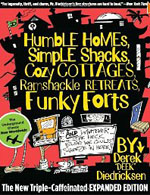
Humble Homes, Simple Shacks, Cozy Cottages, Ramshackle Retreats, Funky Forts: And Whatever the Heck Else We Could Squeeze in Here
by Derek Diedricksen, 2012. Derek Diedricksen has always had a love for small, modest houses ever since his father gave him the book Tiny Tiny Houses by Lester Walker for his tenth birthday. This book is a collection of Diedricksen’s creative/imaginative sketches for building small houses, shacks, cottages, and forts. The sketches are accompanied with hand-written commentary, both instructive and comical. Derek’s main purpose is to get your creative juices flowing and encourage you to get off the couch and use your hands. Believing that specific building plans squash creativity, he avoids too many detailed instructions, giving you the chance to put your own creative spin on your very own small abode (even if it is just in your imagination).
| |
|
|
| |
Click on image to buy from Amazon.com |
|
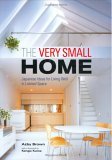
The Very Small Home: Japanese Ideas for Living Well in Limited Space by Azby Brown, 2012. Eighteen recently built and unusual houses, from ultramodern to Japanese rustic, are presented in depth. Particular emphasis is given to what the author calls the "big idea" for each house-the thing that does the most to make the home feel more spacious than it actually is. Big ideas include ingenious sources of natural light, well thought-out loft spaces, snug but functional kitchens, unobtrusive partitions, and unobstructed circulation paths. The Houses section details each project the intentions of the designers and occupants are explained. The result is a very human sensibility that runs through the book, a glimpse of the dreams and aspirations that these unique homes represent and that belies their apparent modesty.
| |
 |
|
| |
Click on image to buy from Amazon.com |
|
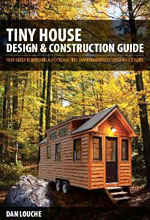
Tiny House Design & Construction Guide by Dan Louche, 2012. Take the first step to achieving your dream of building and living in your very own tiny house! The Tiny House Design & Construction Guide is your road map to the entire tiny house build process. This guide will help you to understand each step that needs to be taken and more importantly give you the confidence to start building your own tiny house. The guide consists of 143 pages and over 100 color photographs and illustrations. The information contained in it is not specific to any particular set of plans and would be pertinent to anyone building a tiny house, small backyard office/studio, or even a shed.
| |
 |
|
| |
Click on image to buy from Amazon.com |
|
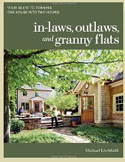
In-laws, Outlaws, and Granny Flats: Your Guide to Turning One House into Two Homes by Michael Litchfield, 2011. In response to tight times, a remarkably upbeat and widespread change is taking place in households across America. Homeowners are creating second dwelling units—often called in-law suites, mother-in-law apartments, or granny flats. Second units make a lot of sense. In-law units take many forms and they’re all shown here: attic, basement and garage conversions, bump-out additions, carve-out suites, and backyard cottages. This book covers every aspect of turning one house into two homes. Its first four chapters deal with the specifics of assessing your needs, selecting an appropriate design, choosing space- and energy-saving appliances, and getting your plans approved.
| |
 |
|
| |
Click on image to buy from Amazon.com |
|
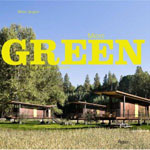
Micro Green: Tiny Houses in Nature by Mimi Zeiger, 2011.
From treehouses to pre-fabs, this book presents sustainable, micro-green living at its best. Micro Green delves into the concept of compact living and demonstrates the possibilities of living with less while maintaining a rich life. As sustainable architecture becomes mainstream, many architects and designers are using technology and wit to experiment with what it means to be green, and the results are both effective and enthralling. The rustic treehouses, airy domes, and recycled-scrap structures of Micro Green are presented through vivid photography and detailed building plans, and display a range of environmental influences. Here living spaces are carved out of hillsides, trees rise through decks and floors, and walls melt seamlessly back into the surrounding woods.
| |
 |
|
| |
Click on image to buy from Amazon.com |
|
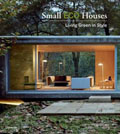
Small Eco Houses: Living Green in Style by Cristina Paredes Benitez and Alex Sanchez Vidiella, 2010.
Fresh perspectives on how good design can create stylish yet ecologically sound living spaces in small-scale homes. Anyone who has faced the challenges of limited living space will find inspiration in this survey of the latest trends in environmentally sensitive, small-scale residential designs. More than fifty residential spaces are profiled-from woodsy houses and repurposed barns to cool apartments and urban lofts-both inside and out. Most of the projects were designed by up-and-coming architects, and each design proves that small-scale efficiency as well as beautiful, thoughtful design can overcome the apparent constraints of a small setting. Each case history describes the challenges confronting the designer and the solutions.
| |
 |
|
| |
Click on image to buy from Amazon.com |
|
Compact Cabins: Simple Living in 1000 Square Feet or Less; 62 Plans for Camps, Cottages, Lake Houses, and Other Getaways by Gerald Rowan, 2010.
presents 62 design interpretations of the getaway dream, with something to please every taste. Best of all, these small footprint designs are affordable and energy efficient without skimping on comfort and style. The cabins range in size from a cozy 100 square feet to a more spacious but still economical 1,000 square feet, and all include sleeping accommodations, kitchen and bath facilities, and a heat source. Complete chapters on low-maintenance building materials, utilities and appliances, and alternative energy sources supply readers with the options for living efficiently in small spaces. For every design, readers will find floor plans with detailed suggestions for designing the space for optimal use. Features such as an outdoor fireplace, covered porch, or external storage locker might work nicely in several cabin designs.
| |
 |
|
| |
Click on image to buy from Amazon.com |
|
Small Spaces: Maximizing Limited Spaces for Living by Elizabeth Wilhide, 2009.
Small space living doesn't have to mean settling for second best. Increasingly, these days, it's a positive choice for many of us and for all sorts of reasons that are not simply to do with keeping the mortgage manageable. But to make the most of the space at your disposal, when you haven't got a great deal of room to play with, requires careful consideration and, sometimes, a special approach or sideways leap.Thorough planning and assessment will help you to ensure your home functions smoothly and efficiently and accommodates the way you want to live. Clever design strategies will win you more usable floor area and better spatial quality. And, in terms of decoration and furnishing, there are many tried and tested ways to make a small space appear bigger without compromising your sense of personal style.
| |
 |
|
| |
Click on image to buy from Amazon.com |
|
XS: Small Structures, Green Architecture by Phyllis Richardson, 2007.
This book features contemporary solutions to two of today's most challenging problems: how to conserve space and help save the environment. The design goals of the 40 houses included here are to build as small as possible, to harmonize with the site, to use natural heating and cooling techniques, and, above all, to combine aesthetic beauty with ecological sensitivity. The houses are striking in appearance, inexpensive to build, and totally functional, and will serve as inspiration for architects and potential owners.Designed by a variety of young international architects (among them Patkau, ShoP, Sean Godsel, and Klein Dytham) the projects featured here reveal an extraordinary degree of ingenuity within a tight, creative context or budget.
| |
 |
|
| |
Click on image to buy from Amazon.com |
|
Little House on a Small Planet: Simple Homes, Cozy Retreats, and Energy Efficient Possibilities by Shay Salomon, 2006. Live in less space but have more room to enjoy it. Does that sound like a contradiction? Smart readers will discover that, on the contrary, living small can free up your mind, your wallet, and your soul. With the cost of living rising, and the environment suffering from excessive building, now is the time to scale back. Join the movement. Little House on a Small Planet is a guidebook and an invitation. With floor plans, photographs, advice, and anecdotes, this unique book asks and answers, "What fills a home when the excess is cut away, and how do we get there from here?" Discover how to - Build, remodel, redecorate, or just rethink your needs - Think, sometimes literally, outside the box - Live close and simple - Apply spiritual and social solutions to your material desires.
| |
 |
|
| |
Click on image to buy from Amazon.com |
|
Small Strawbale: Natural Homes, Projects & Designs by Athena Steen , Bill Steen , Wayne Bingham, 2005. This practical guide is filled with rich photos of homes, greenhouses, studios, sheds, open-air structures and more, each pulsating with unique yet subtle creativity. Both a pragmatic construction manual and a philosophical, artistic guidebook, Small Strawbale is an inspirational starting point for a strawbale dreamer, and a great source of information for those who are ready to get bailing. 1. INTRODUCTION 2. GARDEN WALLS & FENCES 3. OPEN-AIR STRUCTURES 4. GREENHOUSES 5. CANELO PROJECT OUTBUILDINGS 6. TINY STUDIOS & MEDITATION SPACES 7. THE SHED ROOF 8. THE GABLE ROOF 9. SMALL HOUSES 10. CLUSTERED COMPOUNDS
| |
 |
|
| |
Click on image to buy from Amazon.com |
|
The New American Dream: Living Well in Small Homes by James Gauer, 2004.
Simplicity, modesty, and skillful design are the principles that have guided James Gauer both in his architectural practice and in the selection of the seventeen outstanding projects in this unique collection of small homes by architects around the country. A wide range of housing types and settings-from a diminuative New York City apartment to a farmhouse in Pennsylvania, a cottage in Santa Monica, and a single-family home in Nashville-illustrates a variety of architectural styles and design solutions that have transformed these small spaces into comfortable, stylish, cost and energy-effecient residences. More than a how-to style guide, this volume features a wide range of of housing types from 475 to 2,100 square feet.
| |
 |
|
| |
Click on image to buy from Amazon.com |
|
Compact Houses by Carles Broto, 2004. This exhaustively documented sourcebook will be invaluable to professionals and students of architecture, interior design, interior decorating, and furniture design. Information is provided on every aspect of the design process from the ground up-floor plans, materials, and specifications-on furniture and fixtures. The 30-plus illustrated case studies are of homes that are streamlined on the inside and out, and include full-color photographs, floor plans, and sketches. Also revealed are dozens of never-before-seen solutions in storage and an array of ingenious design solutions for furniture and fixtures that serve a variety of purposes.
| |
 |
|
| |
Click on image to buy from Amazon.com |
|
Blueprint Small: Creative Ways to Live with Less by Michelle Kodis, 2003. When it comes to deciding on the size of a home or living space, one question must be asked: How much space is enough? Americans often relate "enough" space to dimensions, rather than to how a space will really be enjoyed. In Blueprint Small, Michelle Kodis examines small spaces (each 1500 square feet or less) from a wide spectrum of locations, budgets, and individual styles-each chosen because they illustrate that scaling back in size doesn't have to mean scaling back in comfort, spaciousness, or beauty.From a sleek urban apartment to a funky mountain home to a renovated beach house, Blueprint Small reveals how smaller homes invite rather than overwhelm, comfort rather than alienate.
| |
 |
|
| |
Click on image to buy from Amazon.com |
|
Little Retreats : More Than Thirty Cozy Getaway Spaces for the Seaside by Jane Tidbury, 2001. A magically photographed collection of cottages, rustic cabins, tree houses, and huts by the sea, with advice and ideas for decorating a small space of your own. Is there anyone who doesn't dream of having a cozy getaway spot within earshot of the surf, high on a hill, deep in the woods, nestled in a suburban garden, or even up a tree? Little Retreats takes us on a magical tour of 100 wonderful architectural idylls in the United States and Europe, showing both interiors and exteriors. It is filled with tips on maximizing a small space, while also making it comfortable and inviting. For example, even in the most primitive cabin, the addition of sumptuous fabrics or delicate embroidery can create a welcoming space.
| |
 |
|
| |
Click on image to buy from Amazon.com |
|
Terence Conran Small Spaces : Inspiring Ideas and Creative Solutions by Terence Conran, 2001. One of the most acclaimed figures in the field of home design offers the ultimate source of ideas for anyone who needs to design a comfortable, workable, and visually appealing home in a small space. The book offers tips, tricks, and inspired wisdom for making the most out of any available space. Stunning full-color photographs show Conran's creative, stylish solutions in a variety of beautiful spaces, from a houseboat to a treehouse to a small office. His clear and practical tips and advice help translate that creativity into your own home or work space. Written by one of the driving forces in home furnishings and lifestyle retailing, Terence Conran Small Spaces is the essential guide for anyone looking to decorate a small living space with big style.
| |
 |
|
| |
Click on image to buy from Amazon.com |
|
Cabins: A Guide to Building Your Own Nature Retreat by David R. Stiles , Jeanie Stiles, 2001. The Stileses, a husband-and-wife team who have collaborated on a number of woodworking titles, show how to build a cabin that reflects the builder's lifestyle; some are simple, while others contain multiple rooms and utilities. Although the authors make it look easy, the amount of work that goes into a log cabin is staggering (even small cabins require 60 or more logs that each take five to seven hours to hew by hand). Other designs include a Japanese moon-gazing cabin, a pyramid-shaped cabin, and an A-frame cabin. A section on cabin accessories (including brief construction hints for rustic wood furniture) and a list of sources (including web addresses) completes this title.
| |
 |
|
| |
Click on image to buy from Amazon.com |
|
Creating the Not So Big House: Insights and Ideas for the New American Home by Sarah Susanka, 2000. Sarah Susanka contrasts the glamorous, glossy-photo house plans of vaulted ceilings and palatial living rooms with the livable, day-to-day pleasure of cozy window seats and comfortable breakfast nooks. Descriptors like "spacious" and "expansive" fill the real-estate promos, but Susanka seeks the elusive yet affordable qualities that turn a house into a home. She selected 25 house designs, from a southwestern adobe to a Minnesota farmhouse to a New York apartment to a Rhode Island summer cottage, and she profiles each home in great and well-illustrated detail.
| |
 |
|
| |
Click on image to buy from Amazon.com |
|
The Treehouse Book by Peter Nelson, et al, 2000. It seems that almost everyone likes treehouses. Smiles of recognition turn into grins of enthusiasm as more people discover them and dream about making their own private retreats or family play spaces. We will visit many that were built to entertain, to hang out with friends, or as guest houses. Trees welcome all types. From casual treeshacks made from discarded lumber to multitiered feats of fancy, the authors found shelters representing myriad builders-interesting characters ranging from childhood fanatics grown up, to weekend carpenters, to those who want their grandkids to have the best clubhouse on the block. Detailed how-to information, including plans and drawings, is woven with behind-the-scenes tales of each structure's occupants and stunning interior and exterior photographic explorations.
| |
 |
|
| |
Click on image to buy from Amazon.com |
|
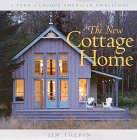
The New Cottage Home by Jim Tolpin, 1998. This book represents a return to a previous school of thought about living space: that it should be no larger than is needed, conservative of resources, rich in detail. The 30 cottage homes pictured each has a unique character and many cottage-style nooks and crannies: the converted island pump house with sod roof, the 600-square-foot woodland temple, the salvage-built house on the Kansas prairie, the off-the-grid shingled hilltop house built to take advantage of natural light. Tolpin does an excellent job of pulling together the elements of each that make it a cottage and make it appealing. In his own words, "These houses seem to call as much to the heart as to the head, enriching us more with the highs of nature than with the highs of technology. These are the new American cottages that embody the ancient storybook dream, and the kind of homes that many of us have always dreamed of living in." More information about Jim and his book is available at his website.
|